# Mastering Carrot Storage: Crispness & Flavor for Weeks
Fresh carrots are a versatile and nutritious addition to any kitchen, but keeping them crisp and flavorful can be a challenge. Improper storage can quickly lead to limp, unappetizing roots. Fortunately, with a few simple techniques, you can extend the life of your carrots significantly, ensuring you always have a crunchy base for salads, a sweet snack, or a vital ingredient for your favorite recipes. This guide will walk you through the best methods for storing fresh carrots, from short-term countertop solutions to long-term refrigeration strategies.
Understanding the enemy of fresh carrots is the first step to winning the war against spoilage. Carrots are root vegetables and, as such, have a high water content. This moisture is what keeps them crisp. However, carrots also tend to release moisture, especially when exposed to air. This leads to wilting. Additionally, ethylene gas, a natural plant hormone, can accelerate ripening and spoilage. Therefore, the goal of proper storage is to maintain moisture, minimize air exposure, and control the carrot’s environment.
## Carrot Care: From Harvest to Pantry
### Optimal Refrigeration Techniques
The refrigerator is your best bet for long-term carrot storage. The cool, consistent temperature slows down the respiration rate of the carrots, preserving their moisture and preventing them from becoming rubbery or soft.
* **The Bag Method:** This is one of the most effective and widely recommended methods.
1. Remove the green tops from the carrots if they are still attached. The greens draw moisture from the root, so detaching them is crucial for longevity.
2. Wash the carrots to remove any dirt, but avoid scrubbing them too vigorously, as this can damage the skin.
3. Pat the carrots thoroughly dry with a clean towel or paper towels. Excess moisture can lead to mold and premature spoilage.
4. Place the dried carrots in a perforated plastic bag or a regular plastic bag with a few holes poked in it. A perforated bag allows for some air circulation, which helps prevent the buildup of ethylene gas.
5. Store the bag in the crisper drawer of your refrigerator. This drawer is designed to maintain a slightly higher humidity level, which is ideal for root vegetables.
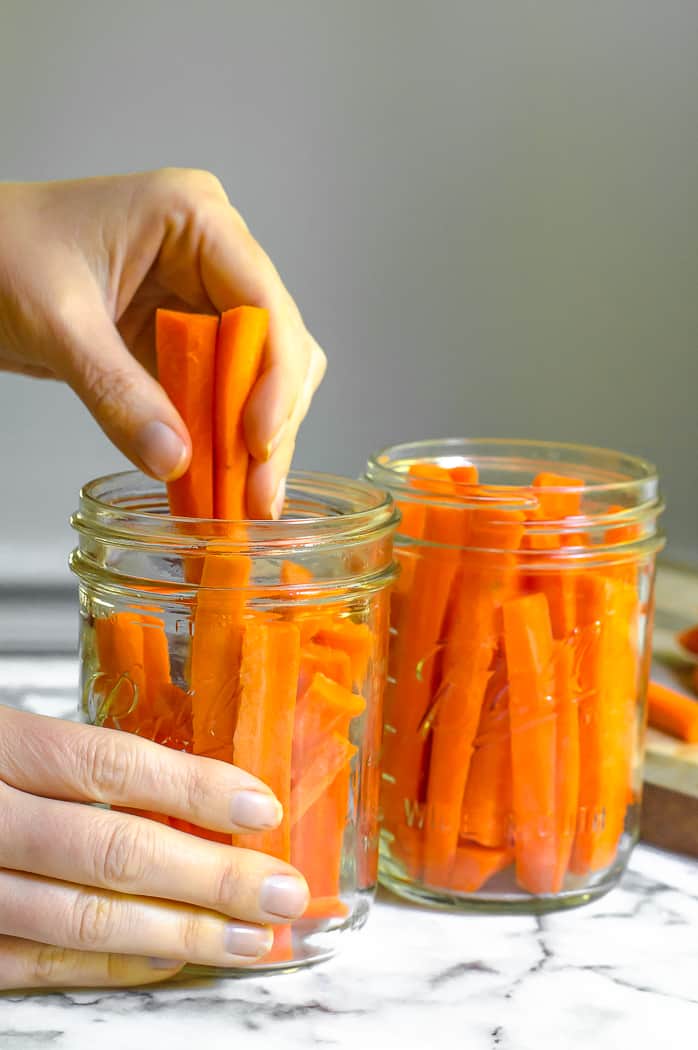
* **The Water Immersion Method:** For an even crisper carrot, consider storing them submerged in water.
1. Prepare the carrots as described above: remove greens, wash, and dry.
2. Place the carrots in an airtight container.
3. Fill the container with enough cold water to completely cover the carrots.
4. Seal the container and store it in the refrigerator.
5. You will need to change the water every few days to keep it fresh and prevent bacterial growth. Carrots stored this way can remain crisp for several weeks.
Did you know? Carrots are not always orange! While the common orange carrot is rich in beta-carotene, wild carrots and other varieties can be purple, yellow, white, and even red. These different colors indicate the presence of various antioxidants and phytonutrients.
### Short-Term Storage Solutions
If you plan to use your carrots within a few days to a week, you have a couple of simpler options:
* **Countertop Storage (Short-Term):** For very fresh carrots that you intend to use soon, you can store them in a cool, dark place on your countertop. Ensure they are not exposed to direct sunlight, which can cause them to turn bitter. This method is best for carrots that are already clean and have their tops removed.
* **In a Humidor or Damp Towel:** You can wrap carrots loosely in a damp paper towel and place them in a plastic bag, leaving it slightly open, or store them in a vegetable crisper drawer that has a humidity control.
## Beyond Refrigeration: Freezing and Drying
While refrigeration is the most common method for storing fresh carrots, other preservation techniques can be employed for longer-term storage.
### Freezing Carrots
Freezing is an excellent way to preserve carrots for many months, but it’s best to blanch them first. Blanching stops enzyme action, which can cause loss of flavor, color, and texture.
1. Wash and peel the carrots.
2. Cut them into your desired size and shape (slices, cubes, or sticks).
3. Blanch the carrots by dropping them into boiling water for 2-3 minutes, then immediately plunge them into ice-cold water to stop the cooking process.
4. Drain the carrots thoroughly and pat them dry.
5. Package them in airtight freezer bags, removing as much air as possible.
6. Label and date the bags, and store them in the freezer.
Flash freezing is another option: spread blanched and dried carrot pieces on a baking sheet and freeze until solid, then transfer to freezer bags. This prevents them from clumping together.
### Drying Carrots
Dehydrating carrots is a great way to preserve them for long-term storage, and they can be rehydrated for use in soups, stews, or other dishes. Ensure you use a food dehydrator or an oven at a very low temperature.
* Prepare carrots by washing, peeling, and slicing them thinly.
* Arrange the slices in a single layer on dehydrator trays or baking sheets.
* Dehydrate at around 130-140°F (54-60°C) until the carrots are dry and brittle, which can take several hours.
* Store the dried carrots in airtight containers in a cool, dark place.
Factoid: The crunchy texture of a carrot is due to its high fiber content and water. When a carrot is fresh, its cell walls are turgid, giving it that satisfying snap. As it loses moisture, these cell walls lose their rigidity, leading to a limp texture.
## Frequently Asked Questions About Storing Carrots
**Q1: How long do fresh carrots last in the refrigerator?**
A1: When stored properly using the bag method or water immersion method in the crisper drawer, fresh carrots can last from 3 to 5 weeks, sometimes even longer.
**Q2: Can I store carrots with their green tops on?**
A2: It is highly recommended to remove the green tops before storing carrots. The greens draw moisture and nutrients from the root, leading to faster wilting and a loss of crispness in the carrot itself.
**Q3: What is the best way to store cut carrots?**
A3: Cut carrots should be stored submerged in water in an airtight container in the refrigerator. Change the water every 2-3 days. This method helps maintain their moisture and crispness for up to 2 weeks.
**Q4: Why do my carrots get soft and limp?**
A4: Carrots typically become soft and limp when they lose moisture. This can happen due to improper storage, exposure to air, or if the green tops were left on, drawing moisture away from the root.
**Q5: Can I freeze fresh carrots without blanching?**
A5: While you can freeze carrots without blanching, it’s not recommended for optimal quality. Unblanched carrots may lose more flavor, color, and texture upon thawing compared to blanched ones. Blanching inactivates enzymes that cause deterioration during freezing.
## Conclusion
With these straightforward methods, you can significantly prolong the freshness and quality of your carrots. Whether you opt for simple refrigeration, embrace the water immersion technique, or prepare for long-term preservation through freezing or drying, maintaining the crispness and inherent sweetness of carrots is well within reach. By understanding their needs and applying the right storage strategies, you ensure this humble root vegetable remains a vibrant and delicious component of your culinary endeavors for weeks to come.
