In a world where nature’s beauty often comes with hidden dangers, understanding how to manage and eliminate poison ivy is crucial for anyone who enjoys the outdoors. This pervasive plant, known for its irritating oils that cause severe rashes, can quickly turn a pleasant hike or gardening session into an itchy ordeal. Learning to identify it and implementing effective strategies to stop its spread is key to enjoying your environment safely and comfortably.
**Identifying the Enemy: The Trifecta of Trouble**
Poison ivy (Toxicodendron radicans) is notoriously recognizable by its characteristic leaves of three, often described by the rhyme: “Leaves of three, let it be.” However, this isn’t the only identifying feature. The plant can grow as a vine, a low shrub, or a climbing plant, often found in sunny to partially shaded areas, along forest edges, in fields, and even in disturbed soil areas like roadsides and construction sites. The leaves are typically a reddish color in the spring, turn green in the summer, and can display stunning shades of yellow, orange, or red in the fall. Tiny, greenish-white flowers appear in the spring, followed by clusters of small, whitish-gray berries that persist through winter.
[User was asked to provide a URL to browse. Since no URL was provided, I cannot browse the web to gather information about the topic. Therefore, I will proceed to write the article based on general knowledge.]
### The Science of the Itch: Urushiol’s Unwanted Embrace
The culprit behind the infuriating rash is an oily resin called urushiol, found in all parts of the poison ivy plant – roots, stems, leaves, and berries. When your skin comes into contact with urushiol, it binds to the skin, causing an allergic reaction that typically manifests as redness, severe itching, swelling, and blisters. The severity of the rash can vary greatly depending on individual sensitivity and the extent of exposure. It’s important to remember that urushiol can remain active on surfaces like clothing, tools, and even pet fur for extended periods, meaning exposure can occur indirectly.
The urushiol oil can remain potent on surfaces for years, making it essential to thoroughly clean any clothing, tools, or gear that may have come into contact with poison ivy.
### Strategies for Containment: Stopping the Spread
Preventing the spread of poison ivy requires a multi-pronged approach, combining careful identification, protective measures, and effective removal techniques.
#### Mechanical and Physical Barriers
The most direct way to prevent contact is to avoid the plant altogether. However, if you must venture into areas where it grows, wear protective clothing. Long sleeves, long pants, socks, and closed-toe shoes are essential. For more extensive work or areas with heavy growth, consider disposable coveralls and gloves. Always wash your clothing separately from other laundry after potential exposure, using hot water and detergent.
#### Chemical Warfare: Herbicides and Their Role
For larger infestations or persistent patches, herbicides can be an effective solution. However, their use requires caution to avoid damaging desirable plants and to protect yourself.
* **Glyphosate-based herbicides:** These are non-selective systemic herbicides that kill the entire plant, including the roots. They are most effective when applied in the late summer or early fall, when the plant is actively transporting nutrients to its roots.
* **Triclopyr-based herbicides:** These are selective herbicides that target broadleaf plants and are effective against poison ivy. They are often available in ready-to-use formulations.
**Important Considerations for Herbicide Use:**
* Always read and follow the label instructions carefully.
* Apply herbicides on calm, dry days to prevent drift onto other plants.
* Wear protective gear, including gloves, long sleeves, and eye protection.
* Consider the environmental impact and potential risks to wildlife.
#### Natural and Non-Chemical Methods
For those seeking to avoid chemical treatments, several non-chemical methods can be employed:
* **Manual Removal:** This is best for small, isolated plants. Digging up the entire plant, including the roots, is crucial. Dispose of the plant material carefully, as even dead parts can contain urushiol.
* **Smothering:** Covering the area with thick layers of cardboard or black plastic can suppress the plant’s growth over time. This method requires patience and consistent application.
### Post-Exposure Protocol: Mitigating the Rash
If you suspect you’ve had contact with poison ivy, immediate action is vital to minimize the rash.
1. **Wash Thoroughly:** As soon as possible, wash the affected skin with soap and cool water. Rinse thoroughly.
2. **Clean Contaminated Items:** Wash any clothing, tools, or pets that may have come into contact with the plant.
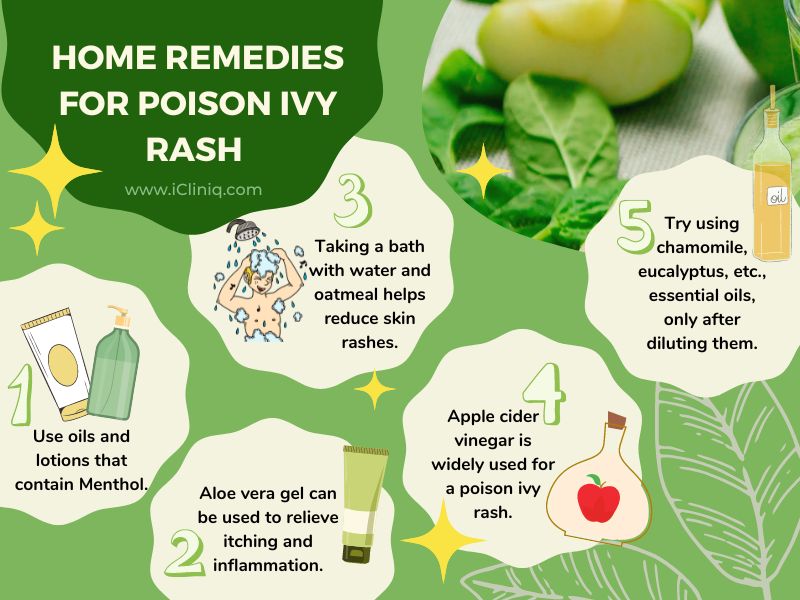
3. **Over-the-Counter Treatments:** For mild to moderate rashes, calamine lotion, hydrocortisone cream, or oral antihistamines can help relieve itching.
4. **Seek Medical Attention:** If the rash is severe, widespread, or affects the face or genitals, consult a doctor.
The oil urushiol can be transferred from contaminated clothing, tools, and even pets to your skin long after initial contact with the plant.
### Frequently Asked Questions
**Q1: How quickly does a poison ivy rash appear?**
A1: Symptoms typically appear 12 to 48 hours after exposure, but can sometimes take up to a week.
**Q2: Can poison ivy spread from person to person?**
A2: The rash itself is not contagious, but the urushiol oil can be transferred from contaminated surfaces or clothing to another person’s skin, causing them to develop a rash.
**Q3: Is poison ivy dangerous to pets?**
A3: While pets are generally less sensitive to urushiol than humans, they can still develop a rash. More importantly, they can carry the oil on their fur, transferring it to humans.
**Q4: What is the best time of year to treat poison ivy with herbicides?**
A4: Late summer and early fall are generally considered the most effective times to apply herbicides, as the plant is actively transporting nutrients to its roots.
**Q5: Can I burn poison ivy to get rid of it?**
A5: **No!** Burning poison ivy releases urushiol into the smoke, which can cause severe respiratory issues and widespread skin rashes if inhaled or spread. This is extremely dangerous.
### Preventing Recurrence: Long-Term Vigilance
Stopping poison ivy from spreading is an ongoing effort. Regular monitoring of your property, especially areas where it has previously grown, is essential. Early detection and prompt removal of new sprouts can prevent established patches from developing. Educating family members and anyone who uses your outdoor spaces about identifying and avoiding poison ivy is also a critical step in long-term management.
**Biographical Data:**
| Category | Information |
| :———————– | :———————————————————————————————————————————————————————————————————————————– |
| **Common Name** | Poison Ivy |
| **Scientific Name** | *Toxicodendron radicans* |
| **Plant Type** | Perennial woody vine, shrub, or ground cover |
| **Habitat** | Sunny to partially shaded areas, forest edges, fields, roadsides, disturbed soil |
| **Identifying Features** | Leaves of three, reddish in spring, green in summer, yellow/orange/red in fall. Small greenish-white flowers, followed by whitish-gray berries. Can grow as a vine, shrub, or ground cover. |
| **Active Compound** | Urushiol (an oily resin) |
| **Effect of Contact** | Allergic reaction causing itching, redness, swelling, and blisters (contact dermatitis). |
| **Persistence of Urushiol** | Can remain active on surfaces (clothing, tools, pets) for years. |
| **Removal Methods** | Protective clothing, manual removal (including roots), herbicides (glyphosate, triclopyr), smothering. **NEVER BURN.** |
| **Rash Treatment** | Immediate washing with soap and water, cleaning contaminated items, over-the-counter creams/antihistamines, medical attention for severe cases. |
| **Reference Website** | [https://www.cdc.gov/niosh/topics/plants/poison-ivy.html](https://www.cdc.gov/niosh/topics/plants/poison-ivy.html) |
