# Revitalize Your Kitchen: A Comprehensive Guide to Removing Your Old Faucet
Is your kitchen faucet showing its age, perhaps with a stubborn drip, a corroded finish, or just a style that no longer complements your updated kitchen? Removing an old kitchen faucet might seem like a daunting DIY task, but with the right preparation and tools, it’s a project well within your reach. This guide will walk you through the process step-by-step, ensuring a smooth transition to your new fixture. We’ll cover everything from essential safety precautions to the nitty-gritty of disconnecting plumbing and freeing the faucet from its mounting.
Before diving into the physical removal, it’s crucial to gather the necessary tools and understand the potential challenges. The underside of a sink can be a cramped and awkward space, often filled with pipes, cleaning supplies, and a fair amount of grime. Patience and a methodical approach are key to avoiding frustration and potential damage to your sink or plumbing. Ensuring you have adequate lighting, such as a headlamp or a portable work light, will make a significant difference in visibility and ease of work.
### Understanding Faucet Components and Mounting
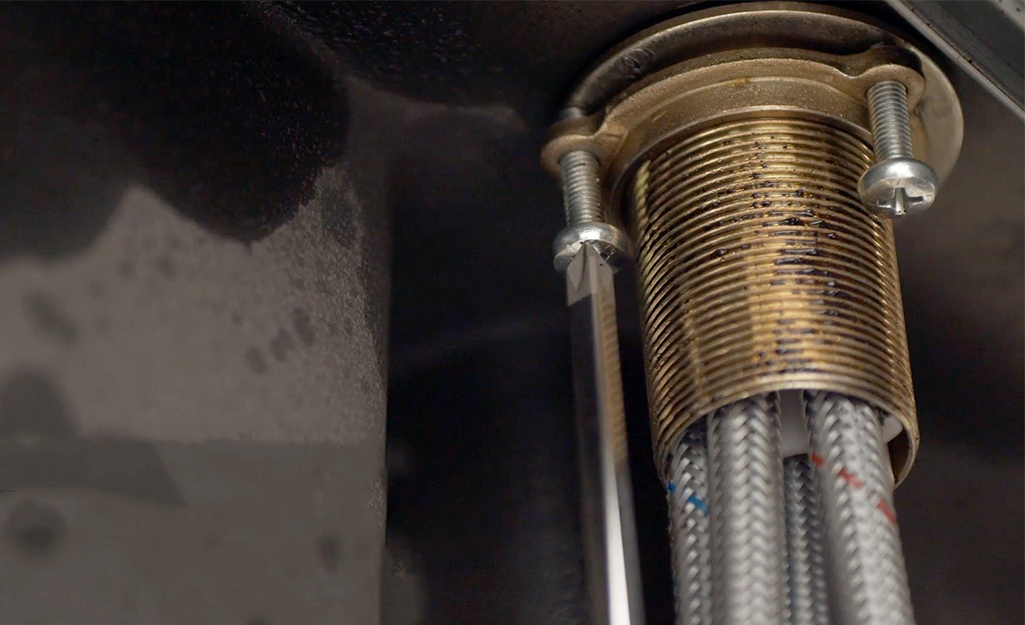
Kitchen faucets typically consist of a spout, handles (which can be integrated or separate), and a base that secures to the sink or countertop. The faucet is held in place from underneath by mounting nuts or a mounting bracket. Water supply lines connect the faucet to the shut-off valves, which are usually located just below the sink basin. The complexity of removal can depend on the type of faucet, the age of the installation, and the space available.
### Essential Tools for Faucet Removal
* Adjustable wrenches (two are recommended)
* Basin wrench (a specialized tool for tight spaces)
* Pliers (channel-lock or slip-joint)
* Bucket or towels (to catch residual water)
* Safety glasses
* Work gloves
* Penetrating oil (like WD-40)
* Scrub brush or old toothbrush
* Flashlight or headlamp
## Step-by-Step Faucet Removal Process
### Step 1: Safety First – Shut Off the Water Supply
The absolute first step is to turn off the hot and cold water supply to the faucet. Look for the shut-off valves under the sink. They are typically oval-shaped handles. Turn them clockwise until they are snug. To confirm the water is off, turn on the faucet handles – no water should come out. If water continues to flow, you may need to shut off the main water supply to your house.
Having spare towels or a small bucket ready is essential for the next steps, as there will inevitably be some residual water in the lines and the faucet itself.
### Step 2: Disconnect the Water Supply Lines
Once the water is off, use an adjustable wrench to loosen the nuts connecting the supply lines to the faucet tailpieces. Be prepared for a small amount of water to drain out. If the nuts are difficult to loosen, a bit of penetrating oil can help. After disconnecting the lines from the faucet, attach them to the shut-off valves or tuck them away to prevent them from dripping.
### Step 3: Loosen and Remove Mounting Hardware
This is often the most challenging part due to the confined space. Below the sink, locate the nuts or mounting bracket that secure the faucet to the sink or countertop.
* **For nuts:** Use a basin wrench, which is designed to reach these awkward fasteners. Turn the nuts counter-clockwise to loosen them.
* **For mounting brackets:** These might have screws or clips that need to be released.
If the nuts or bracket are corroded or difficult to turn, apply penetrating oil and allow it to sit for a few minutes before trying again.
### Step 4: Detach the Old Faucet
With the mounting hardware removed, the faucet should now be loose. Gently lift the faucet from the top of the sink or countertop. There may be a putty or gasket sealing the base of the faucet. If it’s stuck, carefully work a putty knife or a flathead screwdriver around the edge to break the seal, being careful not to scratch the sink surface.
### Step 5: Clean the Mounting Area
After the old faucet is removed, the sink surface where it was mounted will likely have residue from plumber’s putty, old caulk, or mineral deposits. Use a scrub brush, an old toothbrush, and a suitable cleaner to thoroughly clean this area. This ensures a clean surface for your new faucet installation.
## Faucet Removal FAQs
### Q1: How do I know if I need to replace my faucet?
Common signs include persistent leaks that cannot be fixed, significant corrosion or mineral buildup that affects performance or aesthetics, or if the faucet’s operation becomes stiff or difficult.
### Q2: What if the shut-off valves under the sink don’t work?
If the shut-off valves are seized or do not stop the water flow, you will need to shut off the **main water supply** to your house. This valve is usually located where the water pipe enters your home, often in the basement, crawl space, or utility closet.
### Q3: Can I use regular wrenches instead of a basin wrench?
While a basin wrench is highly recommended for its ability to reach nuts in tight spaces, you might be able to use two adjustable wrenches in some cases. One wrench holds the faucet tailpiece steady while the other turns the nut. However, this is often more difficult and time-consuming.
### Q4: What if the mounting nuts are completely seized?
If penetrating oil and a basin wrench don’t work, you may need to use a small hacksaw or a rotary tool with a cutting wheel to cut through the mounting studs or nuts. This is a last resort and requires extreme care to avoid damaging the sink.
### Q5: How do I dispose of the old faucet?
Most old faucets can be disposed of with regular household trash. However, if it’s made of significant amounts of metal, you might consider taking it to a local scrap metal recycling center.
## Choosing Your Next Faucet
When selecting a new faucet, consider factors such as style, finish, functionality (e.g., pull-down sprayer, touchless operation), and ease of installation. Ensure the new faucet is compatible with the number of holes in your sink or countertop.
***
**Reference Website:**
* The Home Depot: [https://www.homedepot.com/](https://www.homedepot.com/)
