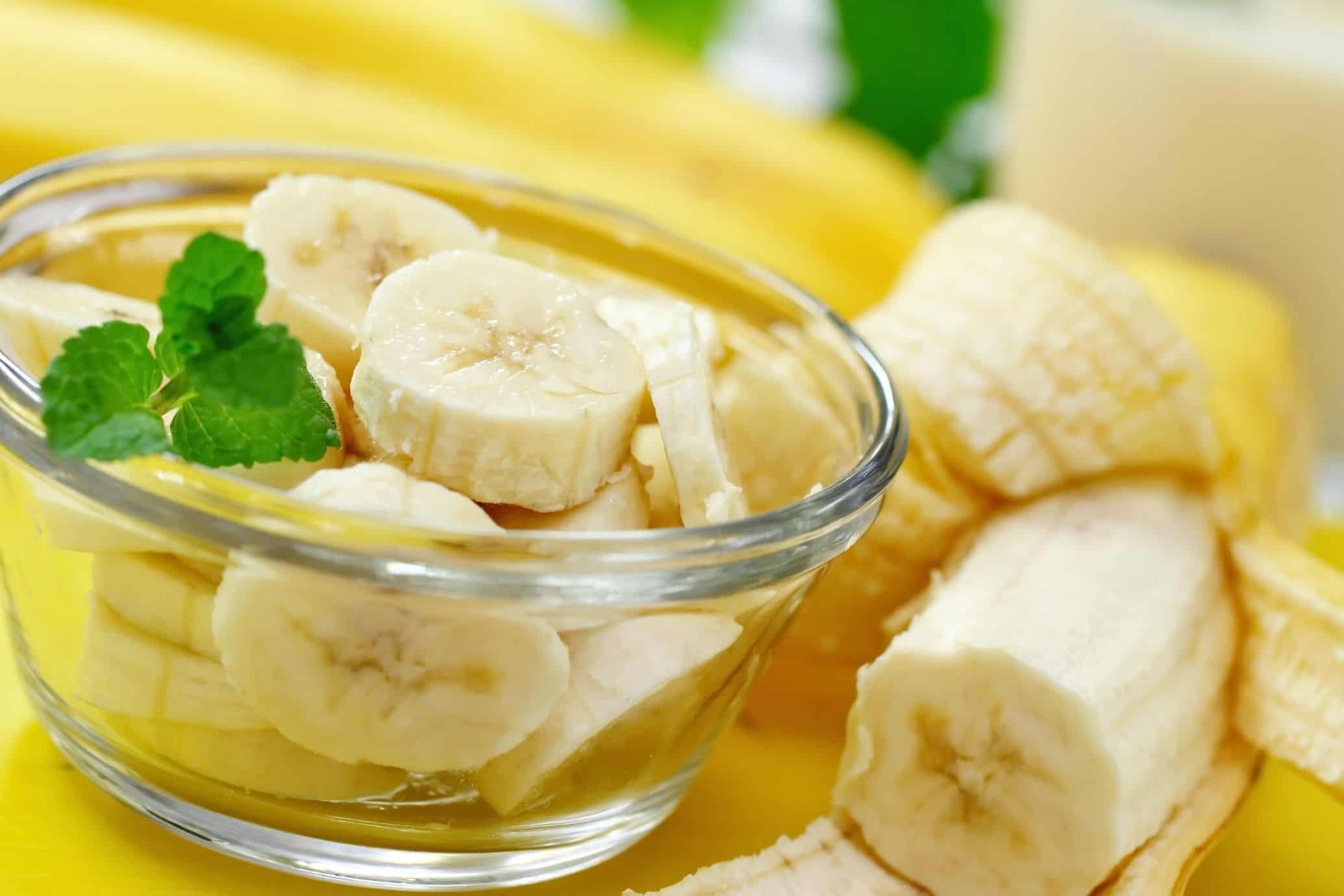
In the culinary world, precision in measurement is key to achieving consistent and delicious results. While many ingredients are easily quantified by weight or volume, some, like bananas, present a unique challenge. The question of “how many cups is one banana” doesn’t have a single, definitive answer, as it depends on several factors, most notably the size of the banana itself. Understanding these variations is crucial for bakers and cooks who rely on accurate measurements for their recipes.
The variability in banana size means that a general conversion can only be approximate. A medium-sized banana, for instance, will yield a different volume than a small or large one. This inconsistency can lead to discrepancies in recipes if not accounted for. For example, a recipe calling for “1 cup of mashed banana” might be interpreted differently by individuals using bananas of varying sizes, potentially affecting the final texture and consistency of the dish.
| Category | Details |
| :————– | :——————————————- |
| **Common Name** | Banana |
| **Scientific Name** | *Musa* spp. |
| **Origin** | Southeast Asia |
| **Peak Season** | Year-round, with regional variations |
| **Varieties** | Cavendish, Plantain, Lady Finger, Blue Java, etc. |
| **Nutritional Highlights** | Potassium, Vitamin B6, Vitamin C, Fiber |
| **Culinary Uses** | Baking, smoothies, eaten fresh, desserts |
**Reference:** [https://www.banana.com/](https://www.banana.com/)
### Understanding Banana Volume
The conversion of a banana to a volumetric measurement, such as cups, is typically based on a “medium” sized banana. Generally, one medium banana yields approximately 1/2 to 3/4 cup when mashed. Therefore, if a recipe calls for one cup of mashed banana, you would likely need two medium-sized bananas. However, it’s always best to mash your banana and measure it directly to ensure accuracy.
#### Factors Influencing Banana Volume
* **Size:** As previously mentioned, this is the most significant factor. Small bananas will yield less, while large bananas will yield more.
* **Maturity:** Overripe bananas tend to be softer and can sometimes be packed more densely, potentially yielding a slightly larger volume.
* **Mashing Technique:** The way a banana is mashed can also influence the volume. Vigorous mashing may break down the fibers more, while a chunkier mash might take up more space.
### Banana Equivalents in Recipes
When a recipe specifies a volume for banana, such as cups or tablespoons, it’s usually referring to mashed banana. Here’s a general guideline:
* **1 medium banana:** Approximately 1/2 to 3/4 cup mashed.
* **1 cup mashed banana:** Approximately 2 medium bananas.
* **1 tablespoon mashed banana:** Approximately 1/10 of a medium banana.
For more precise baking, especially in recipes where the banana’s moisture content and volume are critical, using weight measurements can be more reliable. However, for most home cooking, the cup measurement based on medium bananas is generally sufficient.
Did you know that bananas are technically berries? Botanically speaking, berries are fruits that develop from a single flower with a single ovary and typically have many seeds. While cultivated bananas have been bred to have tiny, unnoticeable seeds, wild bananas have large, hard seeds.
### Tips for Measuring Bananas
To ensure accuracy in your recipes:
* **Mash thoroughly:** Mash the banana in a bowl until it reaches your desired consistency.
* **Use a dry measuring cup:** For dry ingredients, use a cup that you level off at the top.
* **Pack lightly:** For mashed ingredients, gently spoon them into the measuring cup and level off the top without packing them down too tightly.
* **Consider the recipe:** If the recipe is very sensitive (e.g., delicate cakes), consider weighing your banana for ultimate precision.
#### Common Banana Recipe Conversions
Here are some common conversions you might encounter:
* **Small Banana:** ~1/3 cup mashed
* **Medium Banana:** ~1/2 to 3/4 cup mashed
* **Large Banana:** ~1 cup mashed
* **Extra-Large Banana:** ~1 1/4 cups mashed
The Cavendish banana, the most common variety found in supermarkets worldwide, is a clone. This means all Cavendish bananas are genetically identical, making them highly susceptible to diseases. A fungus called Panama disease poses a significant threat to this variety.
### Frequently Asked Questions (FAQ)
**Q1: How many whole bananas are in a cup?**
A1: Typically, about 2 medium-sized bananas are needed to make 1 cup of mashed banana.
**Q2: Can I use frozen bananas for recipes that call for cups of banana?**
A2: Yes, frozen bananas can be used. Thaw them completely and drain any excess liquid before mashing and measuring. They are often even easier to mash when thawed.
**Q3: What if my recipe calls for sliced banana?**
A3: For sliced bananas, the measurement is usually by count, not volume. One medium banana will yield approximately 8-10 slices, depending on the thickness.
**Q4: Are there any online tools to help convert banana measurements?**
A4: While specific banana converters are rare, general fruit and vegetable conversion charts can provide estimates. However, direct mashing and measuring remain the most accurate method.
**Q5: Does the type of banana affect the cup measurement?**
A5: Yes, different varieties of bananas can have slightly different water content and density, which can affect the final volume when mashed. However, for most common recipes, the difference is usually negligible.
