# Exploring the Quantum Realm: A Journey into How Many Buttons Grace a Computer Keyboard
The humble computer keyboard, an indispensable tool in our digital lives, has evolved significantly since its inception. What began as a complex array of keys for typewriters has transformed into a sophisticated input device, integral to our daily interactions with technology. Beyond the alphanumeric characters, a multitude of other keys serve specific functions, each contributing to the efficiency and versatility of modern computing. Understanding the full spectrum of these keys, from the common to the specialized, offers a deeper appreciation for the intricate design that underpins our digital experiences.
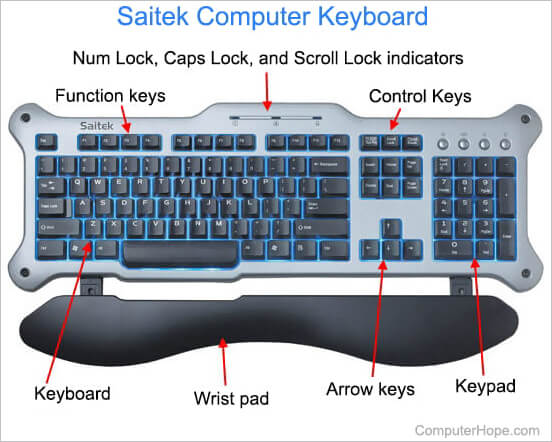
The arrangement and function of keys can vary, but a standard QWERTY keyboard typically boasts around 104 keys. This number, however, is not absolute and can fluctuate based on regional layouts, the inclusion of multimedia controls, or specialized gaming features. Each key, meticulously placed, is designed to translate human input into digital signals, a complex process that has been refined over decades of technological advancement.
| Category | Details |
|—|—|
| **Alphanumeric Keys** | Standard letters (A-Z) and numbers (0-9). |
| **Modifier Keys** | Shift, Ctrl, Alt, Win/Command keys. These keys modify the function of other keys when pressed simultaneously. |
| **Navigation Keys** | Arrow keys (Up, Down, Left, Right), Home, End, Page Up, Page Down. Used for moving the cursor and navigating documents. |
| **Function Keys** | F1 through F12. Their functions vary depending on the active application. |
| **Punctuation and Symbol Keys** | Keys for common punctuation marks (!, @, #, $, %, ^, &, *, (, ), -, =, [, ], ;, ‘, ,, ., /, {, }, :, “, <, >, ?, ~). |
| **Control Keys** | Enter, Backspace, Delete, Tab, Caps Lock, Num Lock, Scroll Lock, Pause/Break. |
| **Numeric Keypad** | Dedicated section for numerical input and arithmetic operations (typically on full-sized keyboards). |
| **Special/Multimedia Keys** | Volume controls, play/pause, mute, track skipping, power buttons, sleep, etc. (often found on multimedia or gaming keyboards). |
| **Reference Website** | [https://en.wikipedia.org/wiki/Keyboard_(computing)](https://en.wikipedia.org/wiki/Keyboard_(computing)) |
## The Evolution of the Keyboard: From Typewriters to Touchscreens
The journey of the keyboard is a fascinating narrative of innovation. Early typewriters, the predecessors to computer keyboards, established the QWERTY layout, a design chosen to prevent mechanical jamming rather than for optimal typing speed. As computers emerged, the typewriter keyboard was adapted, with the addition of keys never before seen, such as Control, Alt, and Function keys. This evolution continued with the integration of dedicated keys for specific operating system functions and, on many modern keyboards, multimedia controls that allow users to manage audio and video playback without interrupting their workflow.
### Function Keys: The Versatile Powerhouses
The Function keys (F1-F12) represent a unique category of keys, offering context-sensitive commands that can significantly enhance productivity. Their primary role is to provide shortcuts for common or complex operations within different software applications. For instance, F1 is almost universally used to summon help documentation, while F5 often triggers a refresh action in web browsers and file explorers.
The top row of a standard keyboard is typically occupied by the Function keys (F1-F12), which have evolved to offer a wide range of shortcuts across various software applications.
### Navigation and Editing Keys: Precision at Your Fingertips
The cluster of navigation and editing keys, including arrow keys, Home, End, Page Up, Page Down, Delete, and Insert, are crucial for efficient document and cursor management. These keys allow for precise control over text selection, movement within large documents, and the deletion or insertion of content, streamlining the editing process.
## Beyond the Basics: Specialized Keyboards and Features
The world of keyboards extends beyond the standard layout. Ergonomic keyboards, designed to reduce strain and promote a more natural hand posture, often feature split designs or curved keybeds. Gaming keyboards come equipped with features like programmable macro keys, customizable RGB lighting, and faster key actuation for a competitive edge.
### Multimedia and Hotkeys: Convenience Redefined
Many contemporary keyboards integrate dedicated multimedia keys, offering direct control over volume, playback, and other media functions. These hotkeys, often placed along the top or side of the keyboard, provide instant access to commands that would otherwise require navigating through menus or using complex key combinations.
Some keyboards include a “Scroll Lock” key. Historically, it toggled the behavior of the arrow keys to scroll the entire document rather than just the cursor. In modern applications, its function is rarely used, though it persists for compatibility reasons.
### The Wireless Revolution: Untethered Input
The advent of wireless technology has liberated keyboards from the constraints of cables. Bluetooth and dedicated wireless dongles offer seamless connectivity, providing a cleaner desk setup and greater flexibility in keyboard placement. Battery life and signal reliability have become key considerations for users choosing a wireless option.
## FAQ: Your Keyboard Questions Answered
* **Q: How many keys are on a typical US keyboard?**
* A: A standard US keyboard typically has 104 keys.
* **Q: What is the purpose of the Function keys (F1-F12)?**
* A: Function keys provide context-sensitive shortcuts for various commands within software applications.
* **Q: Are there different keyboard layouts?**
* A: Yes, common layouts include QWERTY, AZERTY (French), and QWERTZ (German), among others, differing in the arrangement of letters and symbols.
* **Q: What are modifier keys?**
* A: Modifier keys like Shift, Ctrl, and Alt alter the function of other keys when pressed in combination with them.
* **Q: What is an ergonomic keyboard?**
* A: An ergonomic keyboard is designed to minimize physical strain and discomfort during prolonged use, often featuring split or curved designs.
## The Enduring Importance of the Keyboard
Despite the rise of touchscreens and voice commands, the computer keyboard remains a cornerstone of human-computer interaction. Its tactile feedback, speed, and precision continue to make it the preferred input device for a vast array of tasks, from rapid data entry to intricate programming. The thoughtful design and ever-evolving capabilities of the keyboard ensure its relevance for the foreseeable future.
