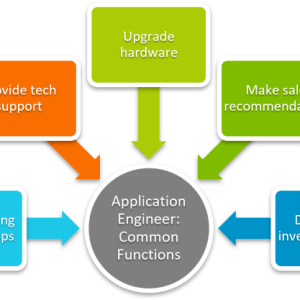
The field of computer engineering is constantly evolving․ It offers a wide range of opportunities for skilled professionals․ The demand for computer engineers is projected to grow in the coming years․ This growth is driven by advancements in technology and the increasing reliance on computer systems in various industries․
Computer engineers design, develop, and test computer systems and components․ This includes hardware, software, and networks․ They work on everything from embedded systems to supercomputers․ The work is challenging and rewarding․
Key Responsibilities
- Designing and developing computer hardware and software․
- Testing and debugging computer systems․
- Integrating computer systems with other technologies․
- Troubleshooting technical issues․
- Researching and developing new technologies․
Job Growth and Opportunities
The Bureau of Labor Statistics (BLS) projects a positive job outlook for computer engineers․ This means there will be more jobs available in the future․ The growth rate is faster than the average for all occupations․ This is great news for aspiring computer engineers․
Opportunities exist in various sectors․ These include technology companies, government agencies, and research institutions․ The specific job title and responsibilities may vary․ However, the core skills and knowledge remain essential․
Factors Driving Job Growth
- Increasing demand for cloud computing․
- Growth of the Internet of Things (IoT)․
- Expansion of artificial intelligence (AI)․
- Rising importance of cybersecurity․
FAQ: Computer Engineer Career
What skills are essential for a computer engineer?
Strong analytical and problem-solving skills are crucial․ Proficiency in programming languages is also important․ Knowledge of computer architecture and operating systems is necessary․ Excellent communication skills are also needed to collaborate with other engineers and stakeholders․
What is the typical salary for a computer engineer?
The salary for a computer engineer can vary depending on experience, location, and industry․ However, it is generally a well-compensated profession․ Entry-level positions may start at a lower salary․ Experienced engineers can earn significantly more․
What are some common career paths for computer engineers?
Computer engineers can pursue various career paths․ Some may become software developers․ Others may specialize in hardware design․ Some may work as network engineers․ Others may become project managers․ The possibilities are endless․
Education and Training: Paving Your Path
A bachelor’s degree in computer engineering or a related field is typically required․ Consider pursuing a master’s degree for advanced knowledge and specialization․ Relevant coursework includes computer architecture, digital logic design, and data structures․ Practical experience through internships is highly recommended․
Don’t underestimate the value of continuous learning․ The tech landscape is always changing․ Stay updated with the latest technologies and trends․ Consider online courses, workshops, and certifications․
Essential Skills to Cultivate
- Programming Languages: Master languages like C++, Java, Python, and Assembly․
- Operating Systems: Gain a deep understanding of Windows, Linux, and macOS․
- Networking: Learn about TCP/IP, routing protocols, and network security․
- Embedded Systems: Explore microcontrollers, sensors, and real-time operating systems․
Networking and Professional Development
Networking is crucial for career advancement․ Attend industry conferences and workshops․ Join professional organizations like IEEE (Institute of Electrical and Electronics Engineers)․ Connect with other engineers on LinkedIn․
Develop your soft skills․ Communication, teamwork, and problem-solving are essential․ Practice presenting your ideas clearly and concisely․ Learn to collaborate effectively with others․
Resources for Professional Growth
- IEEE: Offers access to publications, conferences, and networking opportunities․
- ACM (Association for Computing Machinery): Provides resources for computer science professionals․
- Online Learning Platforms: Coursera, edX, and Udemy offer courses in various computer engineering topics․
FAQ: Thriving as a Computer Engineer
How can I stay updated with the latest technologies?
Read industry blogs and publications․ Attend conferences and workshops․ Participate in online forums and communities․ Experiment with new technologies in your personal projects․
What are some common challenges faced by computer engineers?
Keeping up with the rapid pace of technological change․ Dealing with complex technical problems․ Working under tight deadlines; Maintaining a healthy work-life balance․
How can I advance my career as a computer engineer?
Gain experience in different areas of computer engineering․ Develop your leadership skills․ Pursue certifications in specialized areas․ Consider pursuing a master’s degree or PhD․ Network with other professionals in the field․
Building a Strong Portfolio: Showcasing Your Skills
A well-crafted portfolio is your key to unlocking exciting opportunities․ It’s more than just a list of projects; it’s a demonstration of your abilities and passion․ Choose projects that highlight your strengths and align with your career goals․ Quality over quantity is the mantra here․
Don’t just show the final product; document the entire process․ Explain the challenges you faced, the solutions you implemented, and the lessons you learned․ This demonstrates your problem-solving skills and your ability to learn from experience․
Elements of a Compelling Portfolio
- Personal Projects: Showcase your creativity and technical skills through independent projects․
- Academic Projects: Highlight your coursework and research contributions․
- Internship Projects: Demonstrate your practical experience in a professional setting․
- Open-Source Contributions: Contribute to open-source projects to gain experience and build your reputation․
Mastering the Interview: Landing Your Dream Job
The interview is your chance to shine․ Prepare thoroughly by researching the company and the role․ Practice answering common interview questions․ Be ready to discuss your skills, experience, and career goals․
Ask insightful questions about the company, the team, and the role․ This demonstrates your interest and engagement․ Remember, the interview is a two-way street․ You’re also evaluating whether the company is a good fit for you․
Common Interview Questions for Computer Engineers
- Describe a challenging technical problem you solved․
- Explain a time you had to work with a difficult team member․
- What are your strengths and weaknesses?
- Why are you interested in this role?
- What are your salary expectations?
FAQ: Long-Term Career Success
How important is continuous learning in computer engineering?
It’s absolutely essential․ The field is constantly evolving, so you need to stay updated with the latest technologies and trends․ Embrace lifelong learning to remain competitive and relevant․
What are some strategies for managing stress in a demanding career?
Prioritize your physical and mental health․ Get enough sleep, exercise regularly, and eat a healthy diet․ Practice mindfulness and stress-reduction techniques․ Set boundaries between work and personal life․ Seek support from friends, family, or a therapist if needed․
What are the ethical considerations for computer engineers?
Computer engineers have a responsibility to design and develop technologies that are safe, reliable, and ethical․ Consider the potential impact of your work on society and the environment․ Adhere to professional codes of ethics and guidelines․
The Future of Computer Engineering: Emerging Trends
The field of computer engineering is constantly evolving, driven by emerging technologies and changing societal needs․ Staying informed about these trends is crucial for long-term career success․ Embrace new challenges and opportunities to remain at the forefront of innovation․
Consider exploring areas like quantum computing, nanotechnology, and bio-integrated electronics․ These fields offer exciting possibilities for future computer engineers․
Key Emerging Trends in Computer Engineering
- Artificial Intelligence (AI) and Machine Learning (ML): Developing intelligent systems that can learn and adapt․
- Cybersecurity: Protecting computer systems and networks from cyber threats․
- Internet of Things (IoT): Connecting everyday objects to the internet․
- Cloud Computing: Providing on-demand access to computing resources․
- Edge Computing: Processing data closer to the source, reducing latency and improving performance․