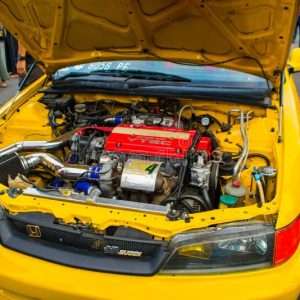
Understanding a Cold-Running Engine
A car engine running colder than normal can lead to various performance issues․ It’s important to diagnose and address the problem promptly․ A cold engine is inefficient․ It also increases wear and tear․ This section explains what it means for your engine to run cold․
The ideal operating temperature for most car engines is between 195 and 220 degrees Fahrenheit (90 to 104 degrees Celsius); When the engine runs below this range, it’s considered to be running cold․
Symptoms of a Cold-Running Engine
Several symptoms can indicate that your car engine is running too cold․ Recognizing these signs early can help prevent further damage․ Here are some common indicators:
- Poor fuel economy: The engine management system enriches the fuel mixture to compensate for the cold, leading to increased fuel consumption․
- Reduced engine performance: The engine may feel sluggish and lack power, especially during acceleration․
- Heater not working properly: The car’s heater may blow cold air, even after the engine has been running for a while․
- Check engine light: A cold-running engine can trigger the check engine light, with codes related to the engine temperature sensor or thermostat․
Pay attention to these signs․ They are important for maintaining your car․
Possible Causes
Several factors can cause an engine to run cold․ Let’s examine the most frequent culprits․
Faulty Thermostat
The most common cause is a thermostat that is stuck open․ The thermostat regulates coolant flow to maintain the engine’s operating temperature․ When it’s stuck open, coolant continuously flows through the radiator, preventing the engine from warming up properly․ It’s a simple device․ But it has a big impact․
Defective Coolant Temperature Sensor
A faulty coolant temperature sensor can send incorrect readings to the engine control unit (ECU)․ This can cause the ECU to misinterpret the engine’s temperature and adjust the fuel mixture and ignition timing accordingly․ This can lead to a cold-running engine, even if the actual temperature is normal․
Other Potential Issues
- Radiator fan running constantly: If the radiator fan is running continuously, it can overcool the engine․
- Cooling system leaks: Leaks in the cooling system can reduce coolant levels and affect the engine’s ability to maintain its operating temperature․
FAQ: Cold Running Engine
Q: Can a cold-running engine damage my car?
A: Yes, prolonged operation of a cold-running engine can lead to increased engine wear, reduced fuel economy, and potential damage to emission control components․ It’s best to address the issue promptly․
Q: How do I test my thermostat?
A: You can test your thermostat by removing it and placing it in a pot of boiling water․ If it doesn’t open, it’s faulty and needs to be replaced․ Alternatively, a mechanic can test it using specialized equipment․
Q: How often should I replace my thermostat?
A: It’s generally recommended to replace your thermostat every 2-3 years or 30,000-40,000 miles, or whenever you notice symptoms of a faulty thermostat․
Troubleshooting Steps
Here’s a step-by-step guide to troubleshooting a cold-running engine:
- Check the coolant level: Ensure that the coolant level is within the recommended range․
- Inspect the thermostat: Check the thermostat for proper operation․
- Test the coolant temperature sensor: Use a multimeter to test the sensor’s resistance․
- Check for cooling system leaks: Inspect the radiator, hoses, and water pump for leaks․
- Monitor the radiator fan: Ensure that the radiator fan is not running constantly․
If you’re not comfortable performing these steps yourself, it’s best to take your car to a qualified mechanic․
Repairing a Cold-Running Engine
Once you’ve identified the cause of the cold-running engine, it’s time to take action․ Repairing the issue promptly can prevent further damage and restore your engine’s performance․ Here’s a breakdown of common repairs:
Thermostat Replacement
If the thermostat is faulty, replacing it is usually a straightforward process․ Purchase a new thermostat that is specifically designed for your vehicle’s make and model․ Follow the manufacturer’s instructions for installation; Be sure to properly bleed the cooling system after replacing the thermostat to remove any air pockets․
Coolant Temperature Sensor Replacement
Replacing a defective coolant temperature sensor is also relatively simple․ Disconnect the electrical connector from the sensor․ Unscrew the old sensor and install the new one․ Reconnect the electrical connector․ Ensure the new sensor is properly tightened to prevent leaks․
Addressing Cooling System Leaks
If you discover leaks in the cooling system, address them immediately․ Small leaks can often be repaired with sealant․ Larger leaks may require replacing hoses, the radiator, or the water pump․ Consult a mechanic for advice on the best course of action․
Pro Tip: When replacing any cooling system component, it’s a good idea to flush the entire system to remove any debris or contaminants․ This will help ensure optimal performance and prevent future problems․
Radiator Fan Issues
If the radiator fan is running constantly, investigate the cause․ It could be a faulty fan switch, a defective relay, or a problem with the engine control unit (ECU)․ A mechanic can diagnose the issue and recommend the appropriate repair․
Preventative Maintenance
Preventing a cold-running engine is always better than having to repair one․ Regular maintenance can help keep your engine running at its optimal temperature․ Consider these preventative measures:
- Regular Coolant Flushes: Flush the cooling system every 2-3 years or as recommended by your vehicle’s manufacturer․ This will remove any buildup of sediment or corrosion that can affect the engine’s cooling efficiency․
- Thermostat Inspection: Have your thermostat inspected during routine maintenance․ This can help identify any potential problems before they become major issues․
- Coolant Level Checks: Regularly check the coolant level in your radiator and overflow tank․ Maintain the proper coolant level to ensure efficient cooling․
- Hose Inspections: Inspect the radiator hoses for cracks, leaks, or swelling․ Replace any damaged hoses promptly․
By following these preventative maintenance tips, you can help keep your engine running smoothly and efficiently for years to come․ A well-maintained cooling system is crucial for engine longevity and performance․
When to Seek Professional Help
While some repairs can be performed by experienced DIYers, certain situations warrant professional assistance․ If you’re not comfortable working on your car’s cooling system, or if you’re unsure about the cause of the problem, it’s best to consult a qualified mechanic․ Here are some scenarios where professional help is recommended:
- You’re unable to diagnose the problem․
- You lack the necessary tools or equipment․
- The repair involves complex procedures․
- You’re concerned about safety․
A qualified mechanic can accurately diagnose the problem and perform the necessary repairs safely and effectively․ They can also provide valuable advice on maintaining your car’s cooling system․
Remember: Working on your car’s cooling system can be dangerous if you’re not careful․ Always allow the engine to cool completely before attempting any repairs․ Wear safety glasses and gloves to protect yourself from hot coolant and sharp objects․
Don’t hesitate to seek professional help if you’re unsure about anything․ It’s better to be safe than sorry when it comes to your car’s engine․