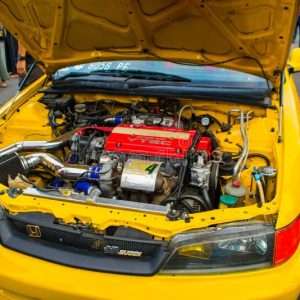
Why Clean Your Engine Bay?
Cleaning your car’s engine bay is more than just aesthetics. It helps prevent corrosion. It also makes it easier to spot leaks. A clean engine runs cooler too. This is because dirt and grime act as insulators. A clean engine bay also increases resale value. It shows you care for your vehicle.
Essential Tools and Supplies
You’ll need a few key items. A good degreaser is essential. Also‚ get a soft-bristled brush. A garden hose with a gentle spray nozzle is needed. Microfiber cloths are great for wiping. Finally‚ consider using plastic bags to protect sensitive components.
- Engine degreaser
- Soft-bristled brushes (various sizes)
- Garden hose with adjustable nozzle
- Microfiber cloths
- Plastic bags or wrap
- Safety glasses
- Gloves
Step-by-Step Cleaning Process
Follow these steps for a sparkling engine bay. First‚ protect sensitive components. Next‚ apply degreaser. Let it soak. Then‚ gently scrub. Rinse thoroughly. Finally‚ dry everything completely.
- Preparation: Cover sensitive electrical components with plastic bags or wrap.
- Degreasing: Apply engine degreaser liberally to all surfaces. Let it sit for the recommended time (usually 5-10 minutes).
- Scrubbing: Use a soft-bristled brush to agitate the degreaser and loosen dirt and grime. Pay attention to hard-to-reach areas.
- Rinsing: Rinse thoroughly with a gentle spray from a garden hose. Avoid using high pressure‚ which can damage components.
- Drying: Dry all surfaces with microfiber cloths. You can also use compressed air to blow out water from tight spaces.
- Finishing: Remove the plastic coverings and reconnect the battery. Start the engine and let it run for a few minutes to dry any remaining moisture.
FAQ: Engine Bay Cleaning
Is it safe to pressure wash my engine bay?
Generally‚ no. Pressure washing can force water into sensitive areas. A gentle spray from a garden hose is much safer. It’s better to be cautious than sorry.
What kind of degreaser should I use?
Use a degreaser specifically designed for automotive engines. Avoid harsh chemicals that can damage plastic or rubber components. Read the label carefully.
How often should I clean my engine bay?
Ideally‚ clean it every 6-12 months. This depends on your driving conditions. If you drive in dusty or muddy areas‚ clean it more frequently.
Choosing the Right Cleaning Kit
Many car engine bay cleaning kits are available. Consider your needs. Some kits include degreasers‚ brushes‚ and cloths. Others are more basic. Read reviews before you buy. A good kit will save you time and effort. It will also ensure you have the right tools for the job.
What to look for in a kit:
- Effective Degreaser: A degreaser that quickly breaks down grease and grime.
- Variety of Brushes: Different sizes and shapes for various areas.
- Microfiber Cloths: Lint-free and absorbent for drying.
- Protective Gear: Gloves and safety glasses are a plus.
Don’t underestimate the value of quality tools. They make the job easier and safer. A cheap kit might end up costing you more in the long run.
Dealing with Stubborn Stains
Sometimes‚ degreaser alone isn’t enough. You might encounter stubborn stains. These could be oil‚ grease‚ or even rust. Here’s how to tackle them.
Tips for tough stains:
- Baking Soda Paste: Mix baking soda with water to form a paste. Apply to the stain‚ let it sit‚ then scrub.
- WD-40: WD-40 can help loosen stubborn grease and grime. Spray it on‚ let it soak‚ then wipe clean.
- Specialized Cleaners: Consider using a specialized rust remover or oil stain remover. Follow the product instructions carefully.
Patience is key. Don’t try to force anything. Repeated applications and gentle scrubbing are often more effective than aggressive cleaning.
Post-Cleaning Care and Maintenance
Cleaning is just the first step. Proper care and maintenance will keep your engine bay looking great. It will also prevent future buildup.
Maintenance tips:
- Regular Inspections: Check your engine bay regularly for leaks or spills.
- Touch-Ups: Clean up any spills immediately to prevent staining.
- Protective Coatings: Consider applying a protective coating to plastic and rubber components. This will help prevent them from drying out and cracking.
A little bit of maintenance goes a long way. It will keep your engine bay clean and your car running smoothly.
Troubleshooting Common Issues
Even with careful cleaning‚ you might encounter some issues. Perhaps the engine won’t start. Or maybe you notice a strange smell. Here’s how to troubleshoot common problems after cleaning your engine bay.
Problem: Engine won’t start
Possible Cause: Water in the distributor or spark plug wires.
Solution: Dry the distributor cap and spark plug wires with compressed air or a clean cloth. Apply dielectric grease to the spark plug boots.
Problem: Strange smell
Possible Cause: Residual degreaser burning off.
Solution: This is usually temporary. Ensure all degreaser residue is removed. Run the engine for a longer period to burn off any remaining product.
Problem: Check engine light is on
Possible Cause: A sensor got wet or disconnected.
Solution: Check all sensors and connections. Ensure they are dry and properly connected. If the light persists‚ consult a mechanic.
Safety Precautions: A Reminder
Safety is paramount when working on your car. Review these essential safety precautions before you begin cleaning your engine bay. It’s better to be safe than sorry.
- Disconnect the Battery: Always disconnect the negative battery terminal to prevent electrical shocks.
- Wear Protective Gear: Wear safety glasses and gloves to protect your eyes and skin from chemicals.
- Work in a Well-Ventilated Area: Avoid breathing in fumes from degreasers and cleaners.
- Avoid Hot Surfaces: Never clean the engine bay when the engine is hot. Allow it to cool down completely.
- Dispose of Waste Properly: Dispose of used degreasers and cloths according to local regulations.
Following these safety precautions will help you avoid accidents and injuries. Take your time and work carefully.
Alternative Cleaning Methods
While degreasers and water are the most common cleaning methods‚ there are alternatives. These might be suitable for specific situations or preferences. Explore these options to find what works best for you.
Steam Cleaning
Steam cleaning uses hot steam to loosen dirt and grime. It’s a gentle and effective method. However‚ it requires a specialized steam cleaner.
Dry Ice Blasting
Dry ice blasting uses dry ice particles to blast away dirt and grime. It’s a more aggressive method. It’s best left to professionals.
Waterless Engine Cleaners
Waterless engine cleaners are spray-on products that don’t require rinsing. They are convenient for quick touch-ups. They are not as effective as degreasers for heavy grime.
Consider the pros and cons of each method before choosing one. The best method depends on the condition of your engine bay and your personal preferences.
The Satisfaction of a Clean Engine Bay
There’s a unique satisfaction in seeing a clean engine bay. It’s a testament to your care and attention to detail. A clean engine bay not only looks good but also contributes to the overall health and longevity of your vehicle. Enjoy the results of your hard work!
So‚ grab your car engine bay cleaning kit‚ follow these steps‚ and transform your engine bay from grimy to gleaming. Happy cleaning!